Mobile app development in 2026 is inseparable from artificial intelligence and machine learning, which are now core to every successful brand’s lead generation engine. Across industries, AI-powered apps are reshaping how digital marketers and lead generation managers engage users, personalize experiences, and convert intent into business outcomes. With users expecting instant value and brands seeking granular targeting, AI integration is not just a technical upgrade—it’s a strategic imperative. In this article, we examine how the latest AI integrations in mobile app development are transforming lead generation. From real-time personalization and audience segmentation to AI-driven chatbots and campaign automation, we’ll unpack concrete strategies, showcase actionable examples, and offer practical guidance for digital leaders aiming to maximize ROI. Whether you’re optimizing an existing app or planning a new project, understanding the interplay between mobile AI and lead gen will be key to your marketing success.
Articles
How AI-Powered Mobile App Development is Driving Lead Generation in 2026
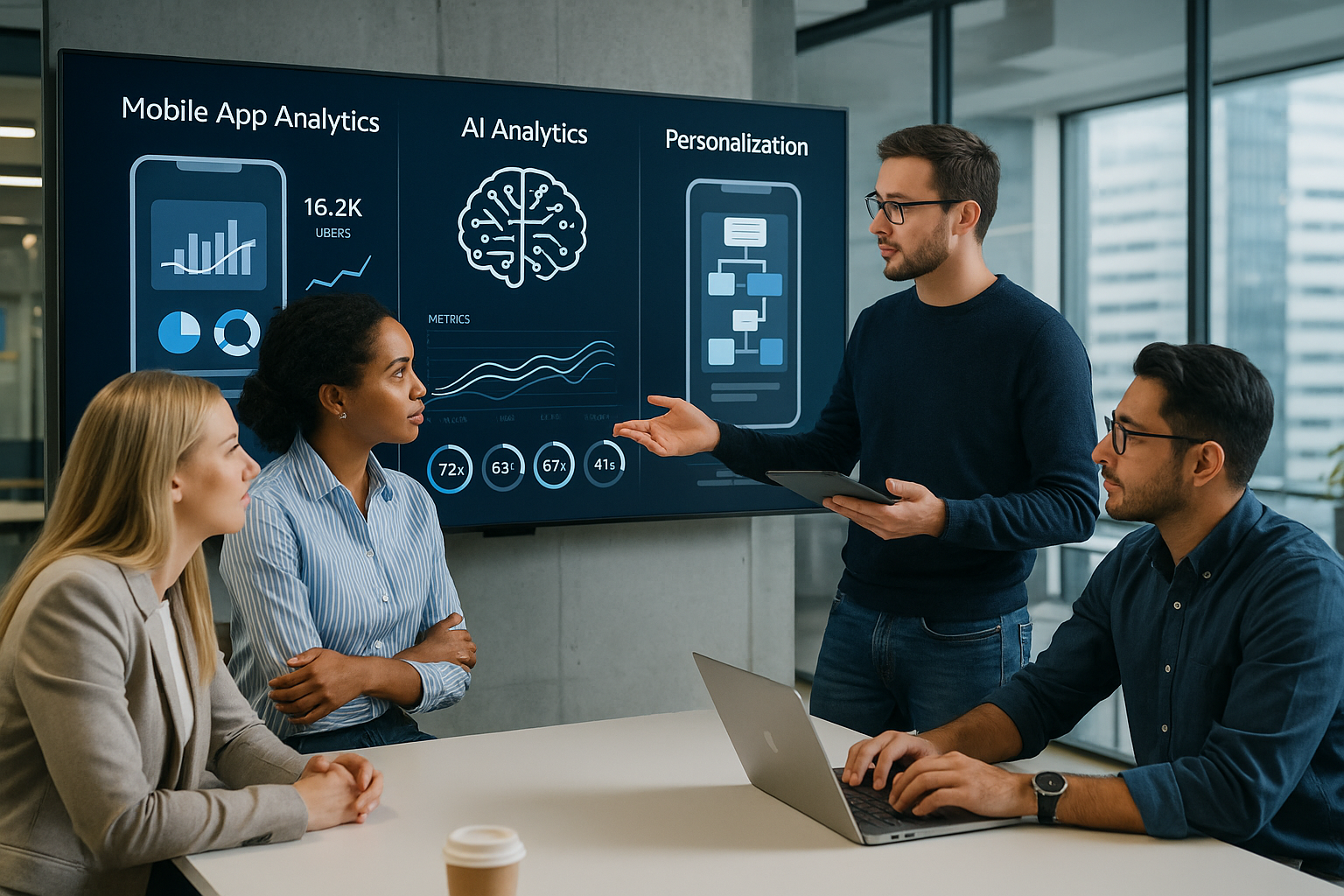
AI-powered mobile app development has redefined lead generation strategies for marketers in 2026. Explore advanced AI integrations, personalization, predictive analytics, and automation techniques fueling the next era of mobile-driven gr...
Build direction
Key Takeaways: The Role of AI in 2026 Mobile Lead Generation
AI-driven personalization and segmentation increase app engagement rates and capture high-intent leads more efficiently.
Predictive analytics embedded in mobile apps enable marketers to proactively engage users at the point of conversion, improving lead quality.
Conversational AI—such as intelligent chatbots and voice assistants—delivers omnichannel touchpoints across the full lead generation funnel.
Automated campaign orchestration, enabled by mobile AI, allows real-time adaptation based on user actions and predictive signals.
Integrations with web, cloud, and ads platforms mean AI-powered apps now drive unified, cross-channel lead management and attribution.
AI and Mobile App Development: The New Growth Engine
By 2026, artificial intelligence has moved far beyond add-on status in mobile app development—it’s now the backbone supporting innovative marketing and lead generation strategies. As mobile usage continues to dominate digital interactions, brands committed to scalable growth are leveraging AI to analyze user data, deliver hyper-personalized experiences, and streamline prospect conversion. App features that were once considered advanced—like real-time recommendations, behavioral nudges, and predictive search—are now table stakes for marketers who prioritize lead quality and lifecycle value.
Strategically, integrating AI into mobile apps enables marketing teams to harness customer intent far earlier in the funnel. Intelligent, always-on apps collect and interpret vast datasets, continuously refining user profiles and content delivery for conversion. This reinforces the shift from static, campaign-centric outreach to dynamic, data-driven engagement—a transformation discussed in depth in our AI Digital Marketing service, which outlines how mobile platforms enhance creative, media, and conversion strategies.
Hyper-Personalization: AI’s Key Impact on Lead Generation
Personalization has long been the goal of mobile marketing, but AI takes it to a level unattainable with manual segmentation or rule-based logic. In 2026, leading apps use AI models to analyze real-time user signals—such as in-app behaviors, device data, preferences, and even contextual factors like location or mood. These insights fuel dynamically personalized content, offer, and notification delivery, driving higher engagement and conversion rates.
Marketers now rely on AI-powered segmentation engines to uncover micro-audiences and deploy hyper-relevant lead generation messages. Whether a fintech app tailoring loan offers or a grocery app presenting just-seen basket reminders, the ability to predict intent and stage-triggered actions results in increased pipeline velocity. You can see a detailed example of applied AI personalization for verticals in our piece on in-app barcode scanning in grocery apps.
The sophistication of modern AI means marketers can test, iterate, and refine lead gen experiences at scale—without overburdening operational teams. These advancements have dramatically elevated user expectations and industry benchmarks, as documented in our AI Brand Marketing service.
Predictive Analytics: Anticipating User Actions and Needs
Predictive analytics has become a cornerstone of mobile app-led lead generation. AI engines embedded within apps continuously assess user journeys and historical behavior to forecast the likelihood of conversion, churn, or upsell. In 2026, these predictive models are finely tuned, leveraging federated learning and real-time data lakes to anticipate the exact moment—and ideal message—for lead capture.
This enables marketing and lead generation teams to automate push notifications, in-app prompts, and offers that align precisely with user intent and timing. Imagine a B2B SaaS app intelligently nudging high-value leads to schedule demos after detecting key engagement patterns, or a retail app advancing exclusive coupons just before cart abandonment. For more technical teams, understanding these analytics is crucial for operational alignment between product, marketing, and development. Find out which tools leading teams use to manage these workflows with our guide on AI-driven app project management tools.
Conversational AI and the New Funnel Touchpoints
Conversational AI, including advanced chatbots, virtual agents, and embedded voice assistants, now plays a pivotal role in driving mobile lead generation. These tools provide always-available assistance, handle complex inquiries in natural language, and seamlessly escalate high-intent leads to sales or human support. In 2026, conversational AI within apps is often omnichannel—bridging SMS, messaging platforms, and web chat to create a unified lead acquisition journey.
This evolution streamlines acquisition for digital marketers, removing barriers by answering questions, qualifying leads, and even scheduling appointments within the app environment. Moreover, conversational AI can segment and route leads based on their responses, ensuring personalized and context-aware follow-up. For real-world guidance, visit our Help hub for actionable articles on optimizing messaging and chatbot strategy.
Automated Campaign Orchestration: Real-Time Lead Nurturing
One of the biggest productivity leaps for marketers has come through AI-powered campaign automation within mobile apps. Sophisticated orchestration engines use behavioral signals, campaign attribution data, and external events to deploy nurturing content, calls-to-action, and retargeting flows in real time. Rather than relying on rigid pre-built journeys, brands now operate continuous-loop campaigns, where AI constantly tests creative, offer, channel, and follow-up sequence to optimize lead conversion.
Mobile apps integrated with web and ads platforms allow for end-to-end lead management, with AI triggering push notifications, SMS, email, or in-app messaging to the most promising leads based on recent activity or predicted value. To maximize results, marketers are also connecting these systems with Google Ads and Meta Ads for unified attribution, as explored in our articles on Google Ads lead targeting and Meta Ads conversion choices.
Integrating Mobile AI with Broader Marketing and Product Strategy
The real power of AI-driven mobile app development for lead generation lies in its integration into a brand’s broader ecosystem. In 2026, successful digital leaders break down silos between app, web, and marketing automation platforms, enabling unified data flows and collaborative strategy development. AI-driven insights from mobile feed directly into product development, content marketing, and creative testing, creating a virtuous cycle where every customer touchpoint is optimized for lead capture and growth.
Operationally, this requires sophisticated cross-team collaboration and a culture that embraces rapid experimentation. Marketers, product owners, and technology leads now use AI to test and iterate app experiences, define user personas, and allocate ad spend based on predictive attribution. For development teams, leveraging cross-platform frameworks and continuous integration pipelines—as discussed in our resource on unified app codebases—becomes essential for speed and cost efficiency.
Staying up to date on these trends is crucial for any marketing leader. For more, dive into our News & Insights hub featuring the latest advances, regulatory updates, and business cases on AI-powered growth.
Decision table
AI-Powered Mobile Lead Generation Strategy Planner (2026)
| AI Feature | Primary Benefit | Implementation Tip | Cross-Channel Link |
|---|---|---|---|
| Dynamic Personalization | Boost engagement & lead quality | Integrate real-time user signal analysis | Sync with CRM & email marketing |
| Predictive Analytics | Proactive lead engagement | Use behavioral & intent scoring models | Feed data into ads & web campaigns |
| Conversational AI | Instant lead qualification | Deploy multi-lingual bots & handoff logic | Connect with customer service tools |
| Automated Orchestration | Real-time nurturing | Set up trigger-based flows for each user state | Combine push, SMS, and email outreach |
| Cross-Platform Integration | Unified reporting & attribution | Link app, web, and ads data pipelines | Enable full-funnel campaign tracking |
Article FAQ
Questions related to this article.
How does AI-powered mobile app development improve lead targeting?
AI-powered mobile apps use machine learning models to analyze user behaviors, preferences, and engagement in real time. This allows marketers to segment and target audiences with unprecedented granularity, matching offers and content to user intent and lifecycle stage. Combined with predictive analytics, AI enables apps to surface high-probability leads at the perfect moment, dramatically raising lead quality and conversion rates. For detailed help, see our article on audience segmentation for Google Ads.
What are some real-world results brands achieve by using AI in their mobile lead generation?
Brands leveraging AI in mobile app development have reported up to a 40% increase in lead-to-customer conversion rates and a significant drop in cost per lead. Features like predictive personalization, automated qualification with chatbots, and integrated campaign triggers allow marketers to optimize resource allocation and focus sales efforts on high-intent prospects. Case studies from multiple industries suggest these strategies not only increase the volume but also the quality and lifetime value of leads acquired through mobile channels.
How can brands ensure data privacy when collecting and using user data for AI-powered lead generation?
In 2026, leading brands employ on-device machine learning and federated learning architectures to analyze personal data while keeping it secure on users’ devices. Strong encryption, explicit consent management, and transparent privacy policies are industry standard. Marketers should collaborate with legal and technology teams to ensure that all data collection, processing, and AI model training follows jurisdictional regulations and ethical guidelines, as discussed in our analysis on digital risk and AI.
How quickly can brands integrate advanced AI features into existing mobile apps?
With the proliferation of AI APIs, SDKs, and cross-platform frameworks, adding advanced AI features such as personalization, analytics, and conversational bots is faster than ever—often weeks rather than months. For seamless integration, brands should work with development partners who specialize in AI-powered app development and foster close collaboration between product, marketing, and IT. Strategic roadmap planning and a robust QA process are key to ensuring the AI’s impact on lead generation is both immediate and measurable.
How does mobile app AI integrate with web, ads, and other marketing platforms?
Modern AI-powered mobile apps are designed with open APIs and secure cloud connectors, allowing them to share user data, segments, and campaign intelligence with web platforms, CRM, and advertising networks. This integration empowers marketers to orchestrate consistent, personalized journeys across all touchpoints, measure multi-channel attribution, and automate cross-platform retargeting. Explore further with our Web Development service for implementation best practices.