Digital marketing has evolved into a sophisticated blend of AI-driven strategies, omnichannel consumer engagement, and data-rich analytics—all essential for brands aiming to scale in 2026. As business leaders seek agency expertise to amplify growth, the marketplace for digital marketing services is more crowded and complex than ever. With innovation and specialization on the rise, the difference between transformative success and costly misalignment often hinges on your agency selection process. This in-depth guide walks you through the key steps, critical questions, and proven signals that will help you confidently choose a digital marketing agency equipped to drive your brand’s objectives in today’s dynamic landscape.
Articles
How to Choose the Right Digital Marketing Agency in 2026: A Step-by-Step Guide for Scaling Brands
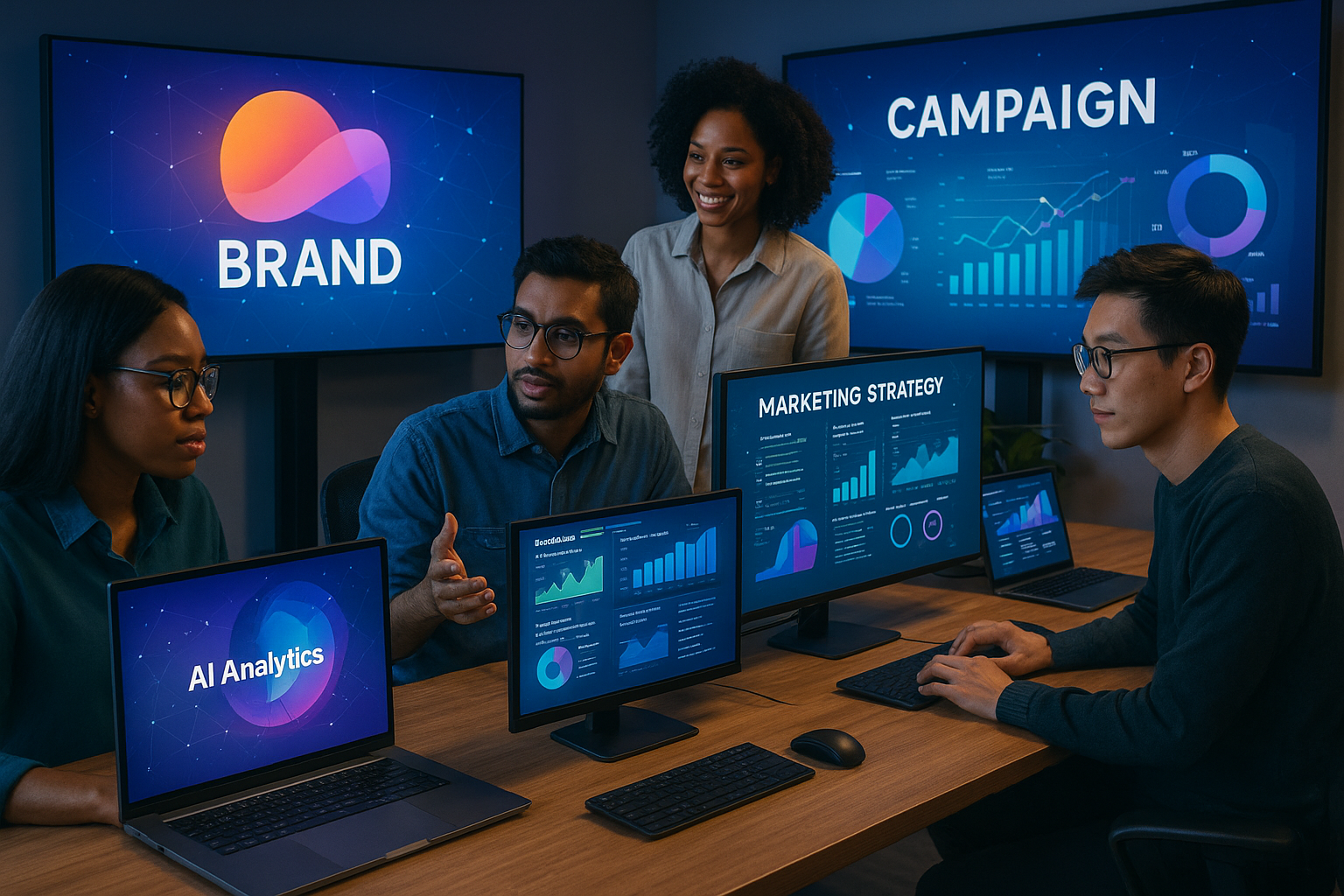
Unlock the secrets to selecting a high-impact digital marketing agency in 2026. This guide covers industry-leading evaluation criteria, must-have capabilities, and the warning signs every brand leader should watch for before signing an a...
Build direction
Key Takeaways: Choosing a Digital Marketing Agency in 2026
Prioritize agencies with demonstrated results in your industry who offer advanced AI, automation, and omnichannel capabilities.
Evaluate transparency of reporting, measurement of ROI, and approach to brand safety—recent regulatory shifts have raised the bar.
Assess agency expertise in integrating marketing strategy with web, app, and ecommerce product development.
Beware of red flags: vague case studies, one-size-fits-all tactics, lack of first-party data solutions, or unclear service contracts.
Insist on a collaborative partnership with open communication, clear deliverables, and a proactive innovation roadmap.
The 2026 Digital Marketing Landscape: What’s Changed and Why It Matters
The digital marketing ecosystem in 2026 is fundamentally different from that of just a few years ago. AI-driven analytics and creative automation now shape the heart of campaign strategies, allowing for rapid adaptation and granular targeting. Privacy regulations have issued a new era of accountability, pushing agencies to prioritize security, first-party data, and ethical audience modeling. This heightened emphasis on transparency and performance measurement is a defining characteristic of elite agencies today.
Brands can no longer win with gimmicky tactics or channel silos. Instead, success relies on a truly integrated approach—seamlessly connecting web, app, and social platforms while orchestrating omnipresent, brand-safe experiences. For a breakdown of the latest AI-powered offerings in the market, explore our AI Digital Marketing service page, where you’ll find case studies on automation, smart segmentation, and dynamic creative deployment.
Staying ahead means recognizing how these shifts affect your marketing objectives. When evaluating a digital marketing agency in 2026, you’re not simply shopping for tactical support—you’re seeking a technology-enabled growth partner whose expertise will future-proof your brand against industry volatility and evolving consumer behaviors.
Step 1: Defining Your Brand’s Growth Objectives and Marketing Needs
Before you reach out to any agencies, clarity about your short-term goals, long-term ambitions, and the digital touchpoints that matter most to your audience is essential. Are you targeting direct ecommerce sales, product launch awareness, B2B lead generation, or a repositioning of your brand in the market? Each objective calls for a different balance of skills—from AI-powered ad buying to high-touch content strategy, conversion-focused web development, or sophisticated influencer and affiliate programs.
Break down what success will look like for your organization. For instance, if your growth hinges on a seamless web experience, you’ll want an agency skilled in web development that integrates natively with your marketing stack. Brands seeking mobile-centric campaigns should check for technical experience in app development and in-app advertising. When evaluating agencies, request to see outcome-driven examples aligned with your desired channels, vertical, or KPIs.
Documenting your needs in advance, and matching them to the right agency expertise, prevents misalignment down the line. For a detailed approach tailored to your business, reference our step-by-step guide to choosing a digital marketing agency in the Help Hub.
Step 2: Vetting Agency Capabilities, Technology, and Credentials
With your requirements set, your next step is rigorous vetting. The top digital marketing agencies in 2026 set themselves apart through deep investments in AI, predictive analytics, and first-party data solutions—essentials for both performance and compliance. Examine case studies that demonstrate the agency’s ability to integrate CRM data, automate ad spend optimizations, and deliver creative that adapts in real time to audience behaviors.
Certifications and partnerships still matter. Look for clear evidence of official partnerships with major cloud marketing platforms, commerce providers, or programmatic ad exchanges. Delve into their experience with new tools for workflow automation and privacy compliance. Many leading agencies have built proprietary dashboards, allowing clients to view campaign results, granular spending, and attribution insights at any time.
Agencies that practice what they preach—using their own tech stack for their own marketing, or contributing thought leadership on evolving digital trends—stand out. You’ll find a directory of trustworthy providers and resources for evaluating agency credentials in the News & Insights hub.
Step 3: Scrutinizing Process, Measurement, and Communication Rigor
Process is the backbone of a lasting agency partnership. Leading digital marketing agencies in 2026 provide detailed onboarding frameworks, define milestones, and bring established best practices for collaboration, feedback, and approvals. Transparency is non-negotiable: you should expect visibility into every stage of the engagement, from budget allocation to creative reviews and campaign optimization schedules.
Measurement should be rooted in outcomes, not just activity. Ask agencies how they define and report on ROI. The use of interactive, real-time dashboards—as well as scheduled strategy reviews—is a hallmark of reputable firms. Evaluate their willingness to pilot and A/B test new approaches while maintaining clear reporting standards.
Poor communication and murky reporting are red flags. Agencies must be proactive in educating clients about regulatory changes, technology shifts, and new opportunities in digital. For help framing your discovery calls, reference what questions to ask before hiring a digital marketing agency in our Help Hub.
Step 4: Spotting Red Flags and Ensuring Brand Safety
Not all agencies live up to their promises. Spotting signs of risk early saves time and protects your brand equity. Beware agencies that offer generic proposals, push outdated channel mixes without customization, or gloss over technical specifics. A reputable agency is open about their methodologies, provides verifiable results, and articulates a data security policy fit for today’s regulatory environment.
Brand safety is paramount in 2026, with AI-powered ad networks and deepfake manipulation introducing new reputational threats. Scrutinize the agency’s track record with brand protection measures—such as automated anomaly detection, ad fraud prevention, and content moderation protocols. Ask direct questions about their standards for ethical AI, influencer vetting, and compliance audits.
Lack of first-party data solutions, infrequent measurement, or unclear contract terms should signal caution. For broader context on digital risk and compliance, explore our recent insight, The Reality of Omnipresent Recording: Navigating AI Wearable Surveillance in 2026.
Step 5: Assessing Innovation, Integration, and Growth Partnership Potential
The ability to innovate and integrate across platforms is what separates leading digital marketing agencies from the status quo. The best partners are proactive—constantly testing emerging technologies, suggesting new channels, and challenging your brand to adapt. Whether it’s activating AI-driven creative automation or piloting the latest consumer experience through shoppable livestreams or VR, their roadmap should align with your category and audience.
Integration is also vital—especially for brands seeking unified campaigns across web, mobile apps, and commerce. Confirm the agency’s technical fluency in product development, including hands-on examples in web development, app development, and ecommerce integration. For details on how web products empower digital campaigns, see how an ecommerce website supports digital marketing in the Products Hub.
The right agency thinks beyond campaigns—they invest in your brand’s long-term growth and market leadership, not just short-term KPIs. Their success playbook includes co-innovation sessions, proprietary tools, and early access to alpha technologies thanks to their strong industry connections.
Decision table
Digital Marketing Agency Selection Matrix: 2026 Criteria Comparison
| Criteria | Essential Questions | Top Agency Markers | Common Red Flags |
|---|---|---|---|
| AI & Technology Stack | What automation, analytics, and first-party data tools do you use? | Owns/partners with leading AI platforms; custom dashboard access | Relies on manual reporting; unclear about analytics |
| Strategy Alignment | How do you tailor strategy to my industry and goals? | Offers specific case studies and audience insights | Pushes generic or ‘one-size-fits-all’ plans |
| Measurement & Reporting | What KPIs, dashboards, and review processes are in place? | Interactive, real-time dashboards; clear ROI methodology | Vague metrics; no concrete measurement schedule |
| Brand Safety & Compliance | How is brand safety handled in a privacy-first world? | Explains protocols for ad fraud, content moderation, compliance | Can't detail risk management or regulatory response |
| Innovation & Partnership | How do you support ongoing brand innovation and market adaptation? | Proactive with idea generation, pilots, and industry trends | Only offers basic deliverables; lacks future vision |
Article FAQ
Questions related to this article.
How do I ensure an agency’s results are valid before signing?
Request directly verifiable results—such as detailed case studies featuring KPIs, campaign before-and-after data, or references from clients in comparable industries. Top-tier agencies should provide live dashboards, anonymized performance analytics, and reference calls. If direct validation is difficult, ensure the agency’s reporting frameworks give you full transparency after onboarding. For more due diligence tips, visit our Help Hub.
What’s the most cost-effective way to scale my digital marketing with an agency?
Partner with agencies that automate repetitive tasks, leverage AI for ad spend optimization, and focus on performance channels proven for your sector. Regularly review spend allocation and be willing to pivot campaign budgets to top-performing tactics. To further explore strategies for efficiency, see our guide to cost-effective digital marketing budgeting.
Should I choose paid or organic social media for digital marketing growth with an agency?
Most high-growth brands benefit from a blend of paid and organic social strategies. Choose agencies capable of integrating paid campaigns for immediate traction, with long-term content and community building via organic methods. Your choice should be informed by objectives, budget, and audience behavior. Find guidance on this topic at our paid vs. organic social media resource.
How can a website or app project support overall digital marketing agency success?
A high-performing website or mobile app acts as the hub for lead generation, conversion, and customer retention. Look for agency partners who offer integrated web and app development services—ensuring user experience, SEO, and analytics are built in from the start. To understand the synergy between ecommerce web builds and marketing, read this in-depth topic.
What’s a collaborative partnership with a digital marketing agency look like in 2026?
True collaboration means sharing data, co-owning strategies, and regularly reviewing mutual KPIs—moving beyond vendor status to a growth partnership. Expect your agency to propose new ideas, involve your team in campaign innovation, and maintain ongoing dialogue about changing trends or risks. For more principles of agency collaboration, explore our AI Brand Marketing service page.